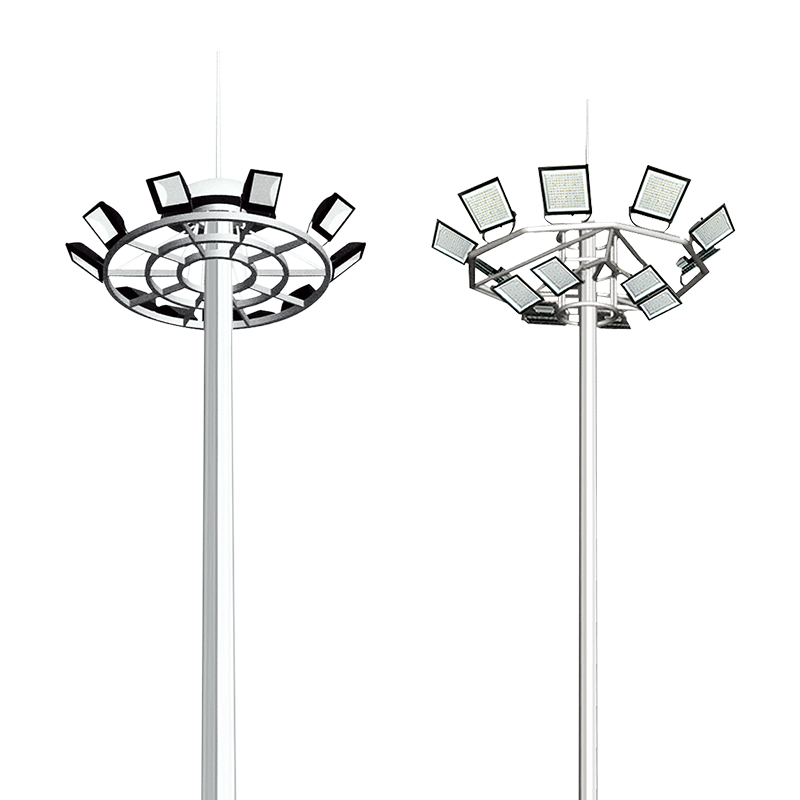
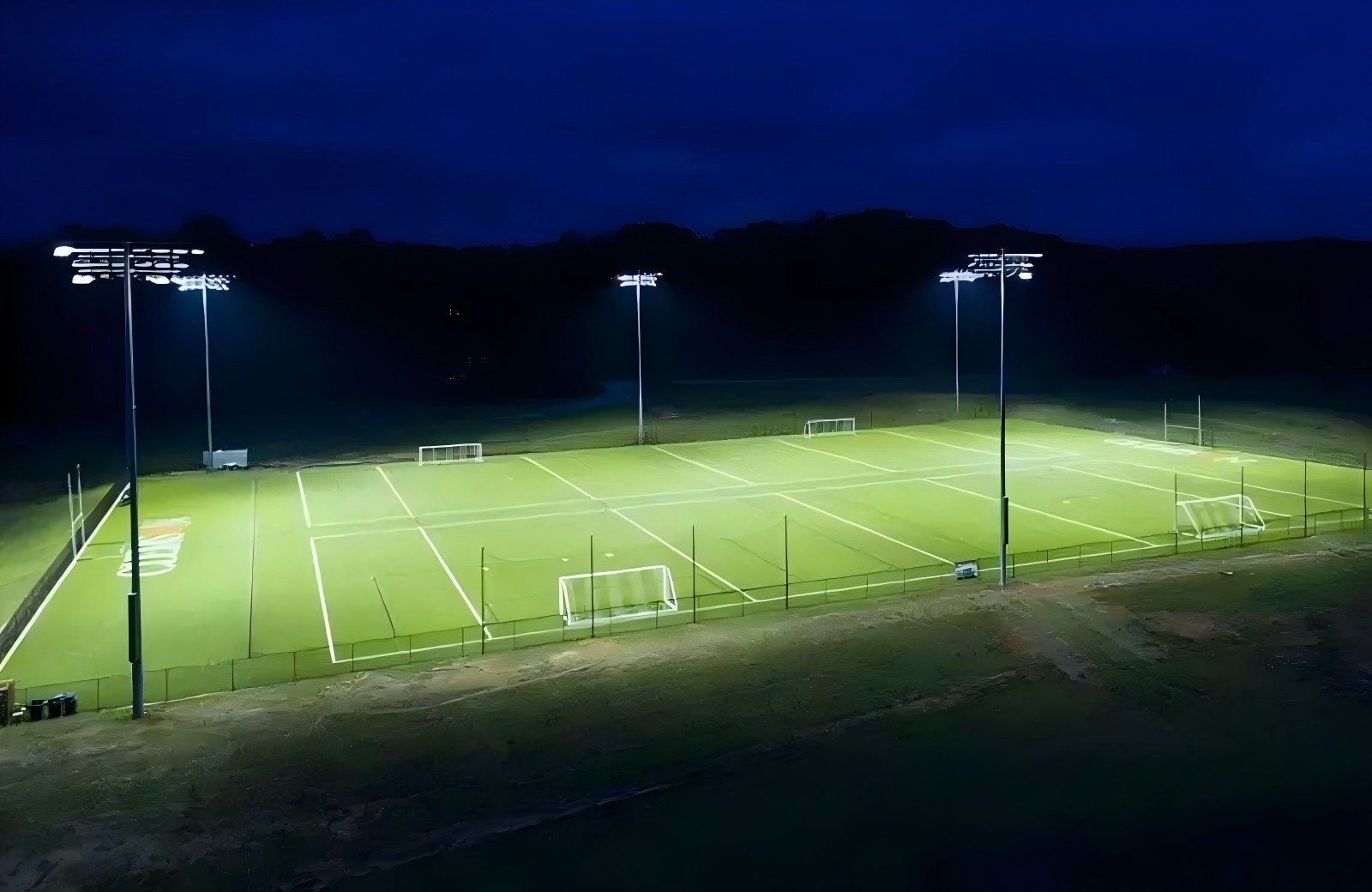
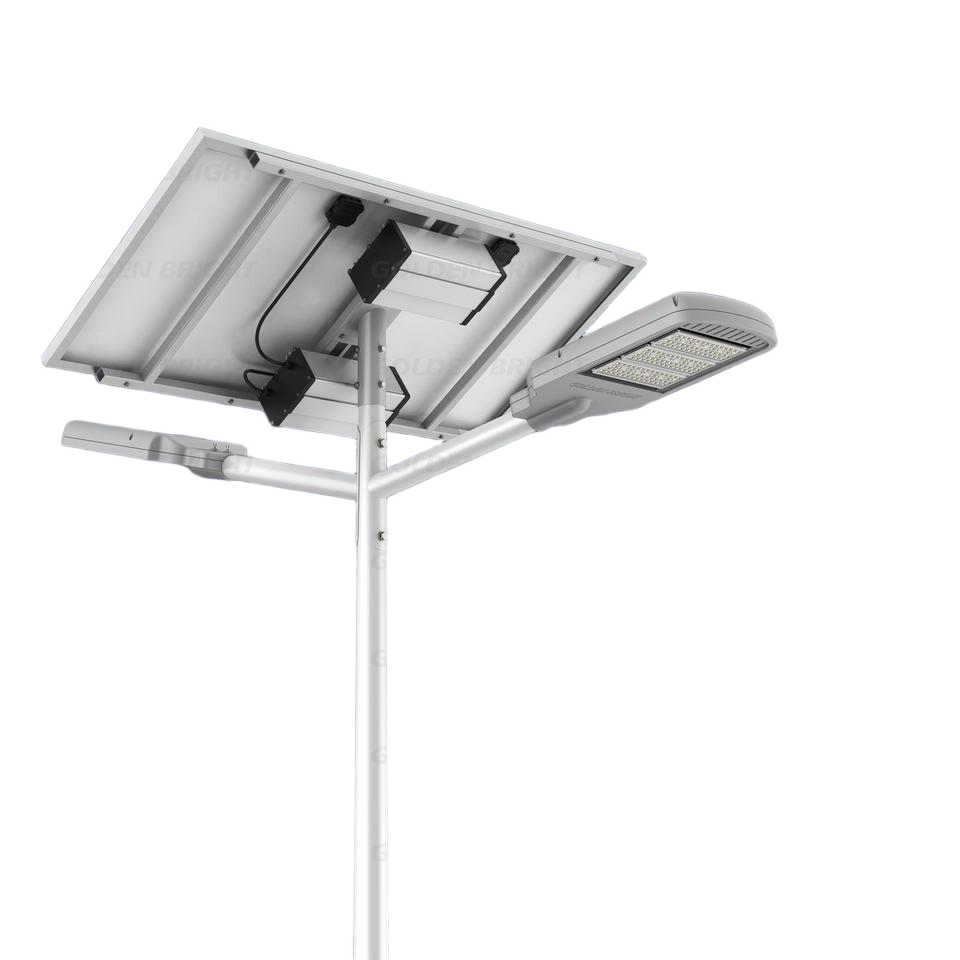
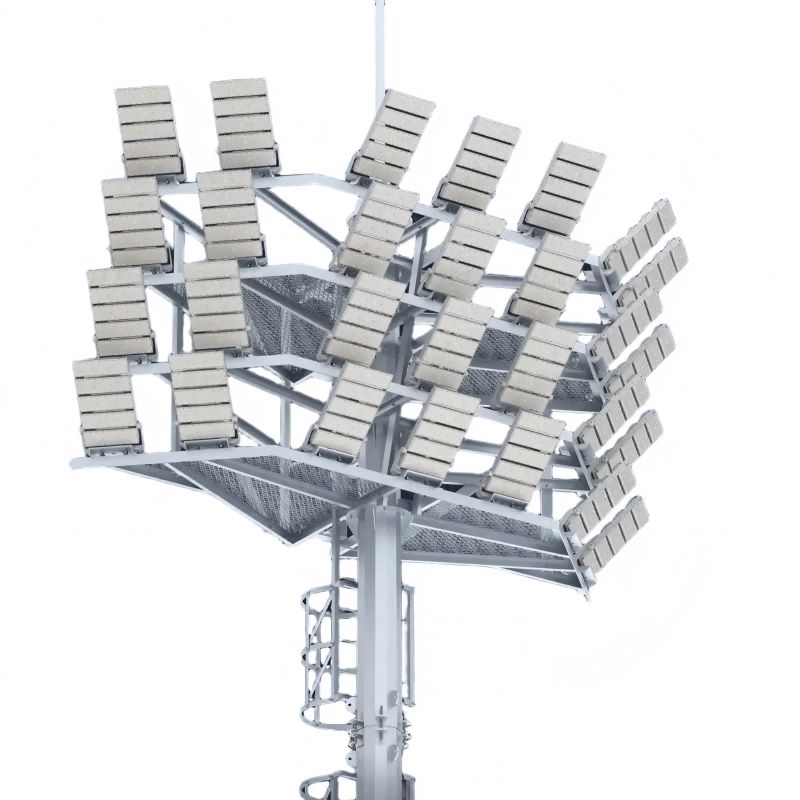
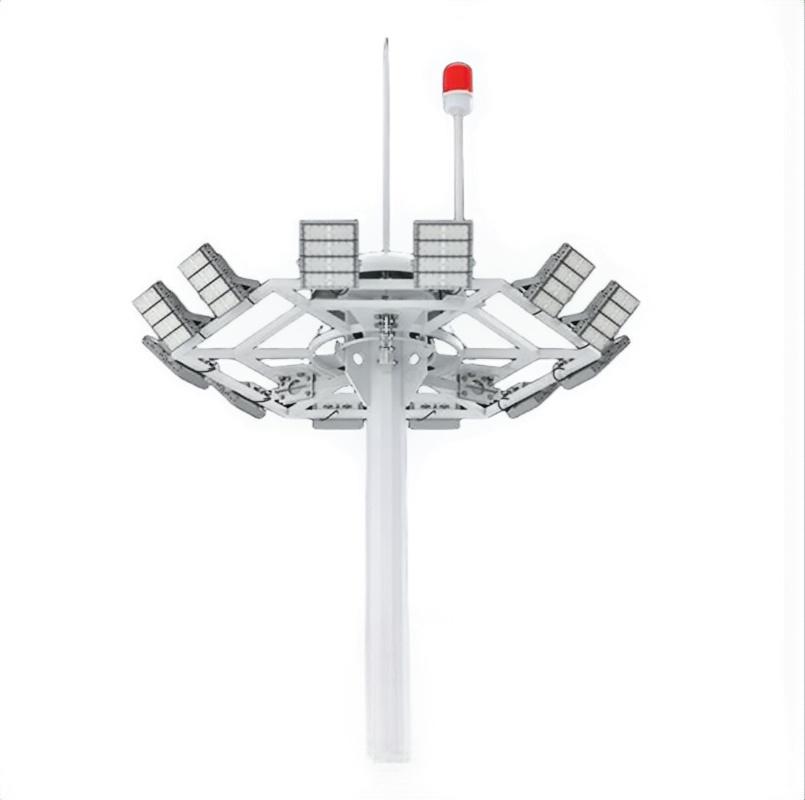
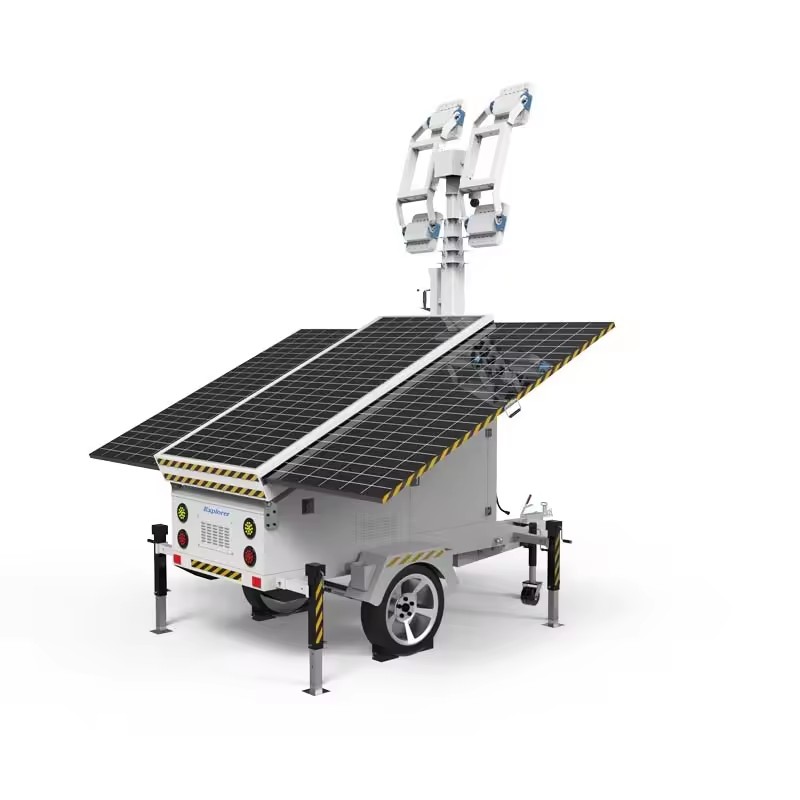
Высокомачтовое освещение может значительно осветить большую площадь благодаря сочетанию высоты, контролируемого рассеивания луча и тщательно спланированного размещения светильников. Вместо простого использования «более ярких» ламп, грамотная конструкция сочетает в себе высокие мачты, оптическое распределение и высоту установки, благодаря чему свет достигает больших площадей с меньшим количеством темных участков. Для проектировщиков, управляющих объектами и подрядчиков понимание этих основных принципов упрощает выбор светодиодных высокомачтовых светильников, которые хорошо работают, не пересвечивая площадку.
Почему прожекторы на высоких мачтах могут осветить целую площадь?
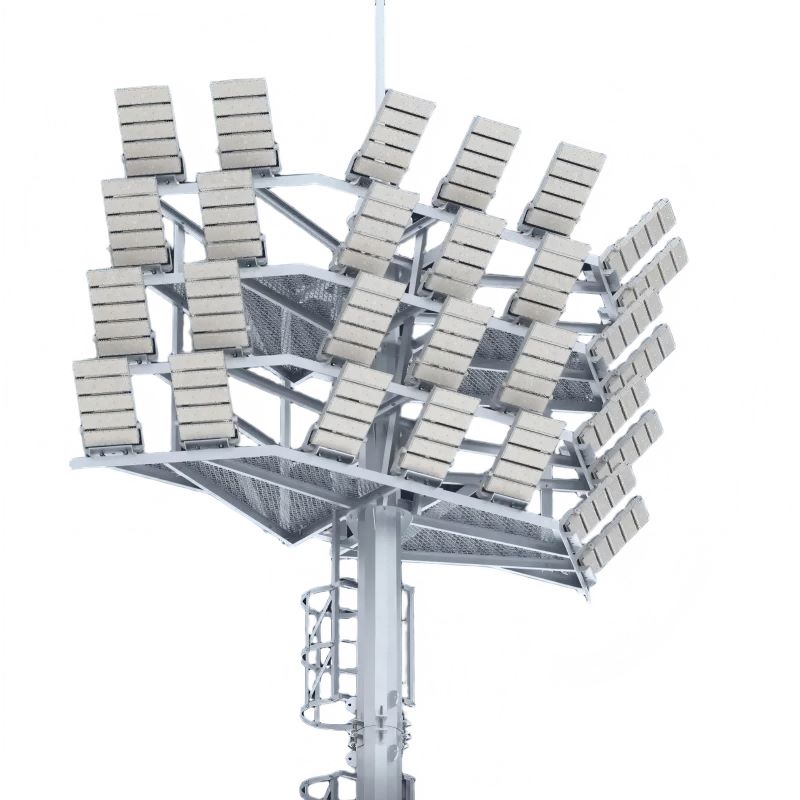
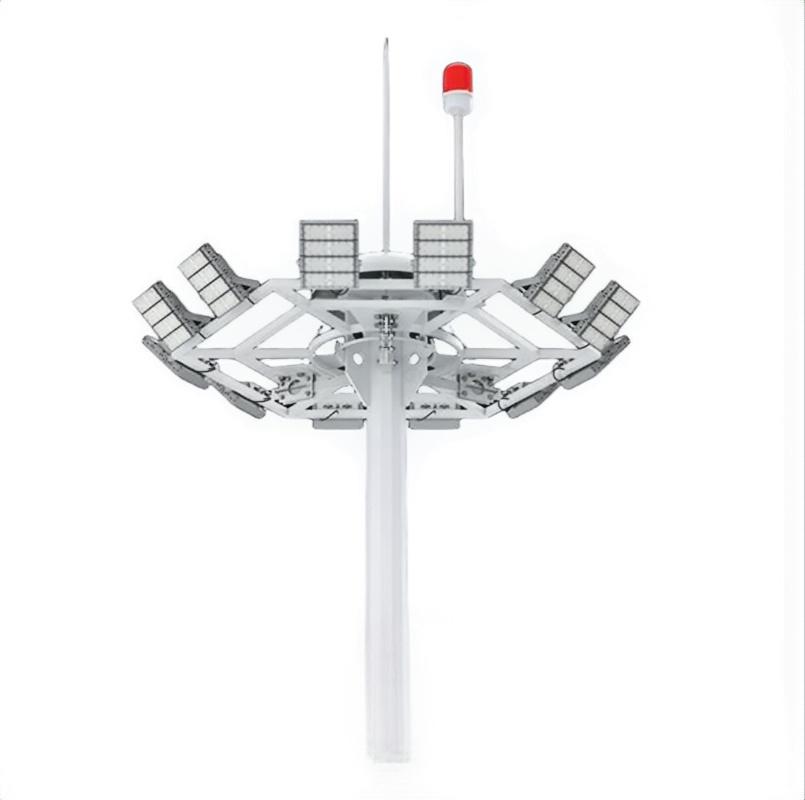
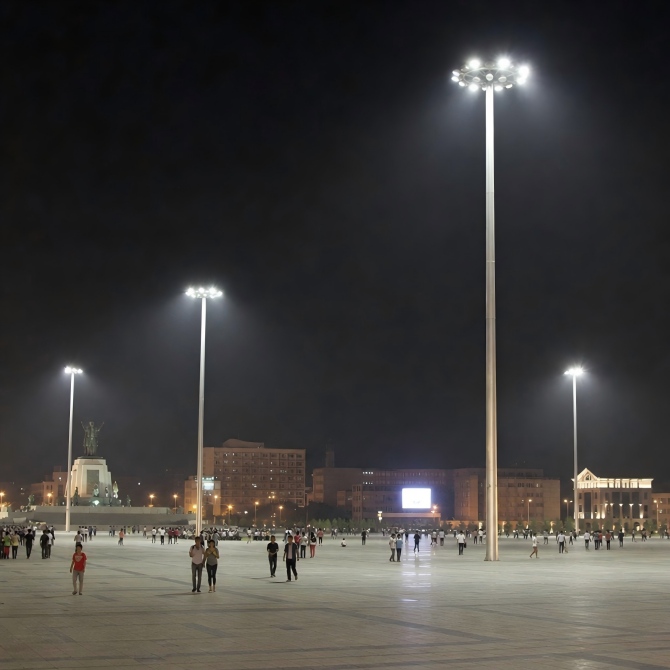
Высокомачтовые светильники способны осветить целую площадь, поскольку они установлены достаточно высоко, чтобы проецировать свет на широкую поверхность, используя оптику, которая направляет луч туда, где он необходим. Высота обеспечивает каждому светильнику большую площадь освещения, а кривая распределения света показывает, как этот свет распространяется от столба. Когда правильная высота установки, мощность, угол луча и ориентация светильника работают вместе, результатом является широкое и практичное освещение на высоких мачтах, а не яркое пятно непосредственно под столбом.
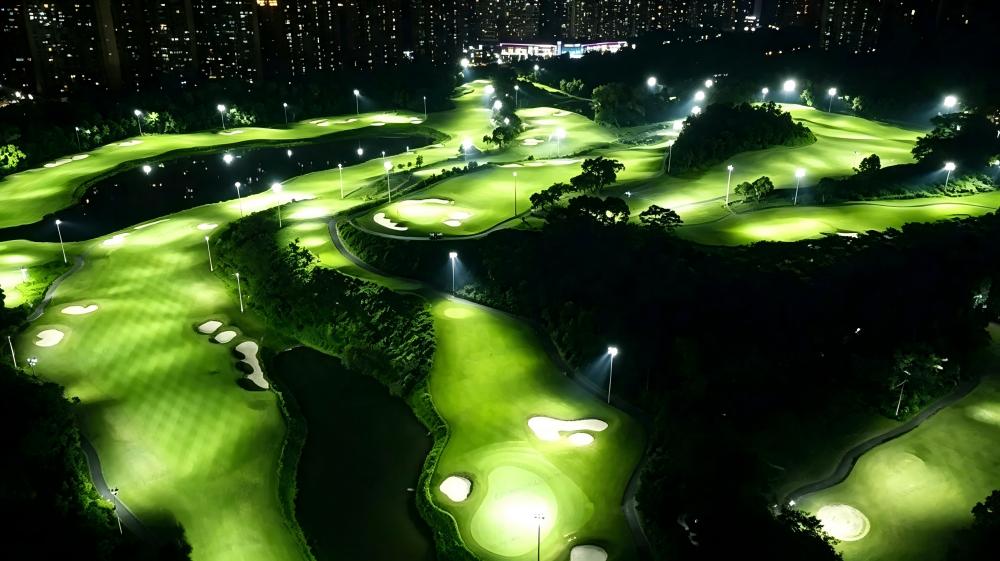
Вот почему вопрос «Почему мачтовые светильники могут осветить целую площадь? — Понимание кривых распределения света и высоты установки» — это, по сути, вопрос проектирования, а не просто вопрос продукта. Мощный светильник, установленный на неправильной высоте или с неправильным распределением светового потока, все равно может оставлять неравномерные пятна. Правильно подобранный же мачтовый светодиодный светильник может обеспечить полезную видимость на парковках, площадях, складах, в портах, на спортивных площадках и других больших открытых пространствах.
Высота изменяет поведение света.
Высота установки — одна из важнейших причин, по которой мачтовые системы могут охватывать такую большую площадь. Светильник, установленный близко к поверхности, создает концентрированное световое пятно. Если поднять тот же светильник намного выше, луч будет иметь большее расстояние для распространения, прежде чем достигнет земли.
Более широкое рассеивание света полезно при освещении больших площадей, поскольку позволяет уменьшить количество необходимых опор и улучшить видимость на открытом пространстве. Однако высота также вносит свой компромисс: чем дальше распространяется свет, тем менее интенсивным становится освещение на земле. Именно поэтому проектировщики не выбирают высокие мачты, основываясь только на высоте. Они балансируют высоту с мощностью светильников, оптическим управлением, расстоянием между опорами и целями освещения объекта.
Например, осветительные приборы на высоких мачтах на парковках должны обеспечивать безопасное движение транспортных средств, видимость для пешеходов и четкое распознавание бордюров, въездов и припаркованных автомобилей. На общественных площадях может потребоваться более мягкий визуальный комфорт, более равномерное освещение и контролируемое ослепление вблизи зон отдыха или пешеходных дорожек. Оптимальная высота установки зависит от того, как люди используют пространство, а не только от его размеров на чертеже.
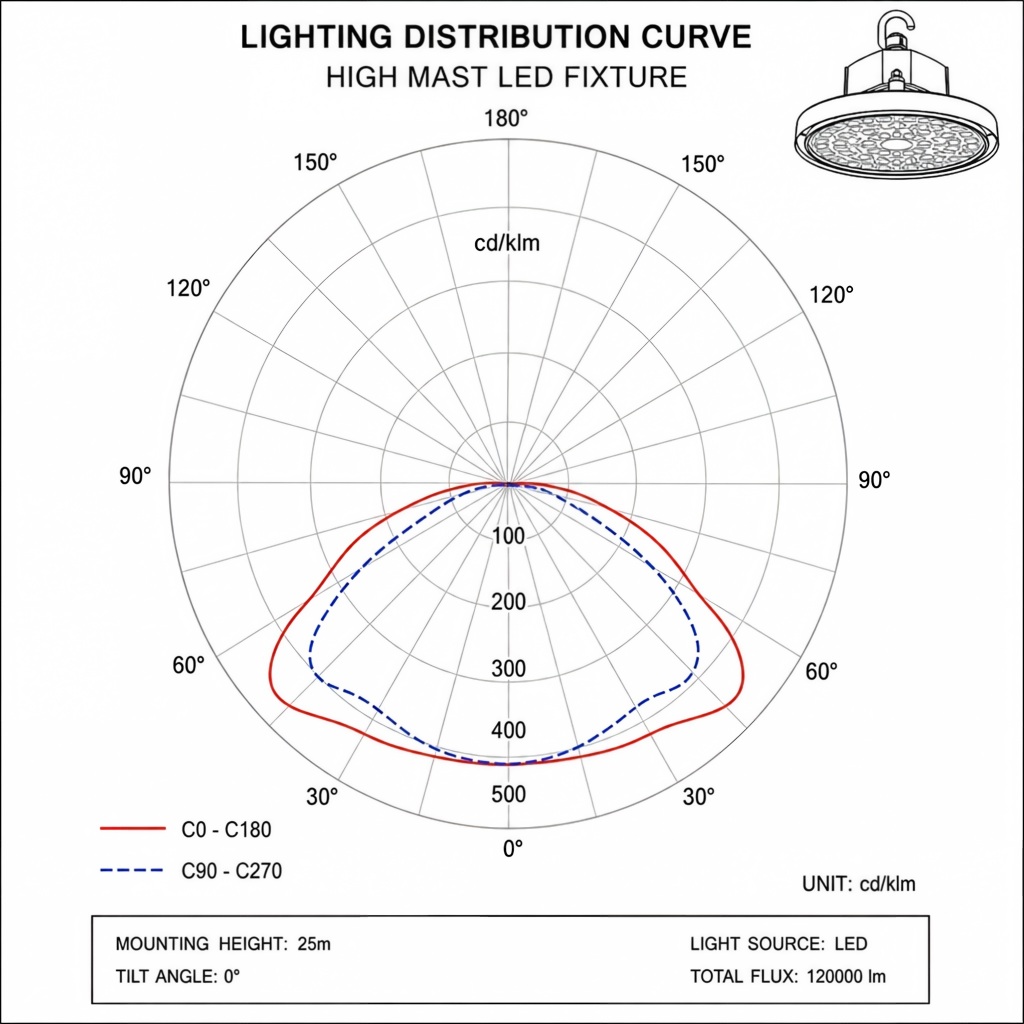
Кривые распределения света делают луч видимым на бумаге.
Кривая распределения света — это техническая диаграмма, показывающая, куда светильник направляет свет. На практике она помогает ответить на три вопроса: насколько далеко распространяется свет, какова его интенсивность под разными углами и подходит ли светильник лучше для симметричного или направленного освещения.
Для осветительных приборов на высоких мачтах эта кривая имеет значение, поскольку светильник обычно устанавливается значительно выше уровня земли. Небольшие различия в угле рассеивания света могут привести к существенным различиям в освещенности территории. Узкое распределение света может направлять больше света в концентрированную зону, в то время как более широкое распределение может помочь осветить более широкую площадь или парковку. Ни один из вариантов не является автоматически лучше. Правильный выбор зависит от расположения опоры и требуемого светового эффекта.
Кривая распределения света также помогает избежать распространенных ошибок. Без анализа рассеивания луча проект может в итоге получить яркие круги возле каждого полюса и тусклые участки между ними. В других случаях слишком широкая оптика может привести к потере света за пределами полезной зоны. Изучив кривую и сопоставив ее с планировкой участка, проектировщики могут добиться более равномерных результатов с меньшим количеством догадок.
К основным деталям, на которые следует обратить внимание, относятся:
Угол рассеивания луча: насколько широко светильник излучает свет из точки крепления.
Пиковая интенсивность: точка, куда попадает самая сильная часть луча.
Симметрия: Равномерное ли распространение света во всех направлениях или же он формируется под определенным углом.
Ограничение светового потока и контроль бликов: насколько хорошо светильник ограничивает освещение под неудобными углами обзора.
Возможность перекрытия: как лучи от нескольких опор сливаются на участке.
Роль единообразия на площади
Когда люди думают об освещении, они часто сосредотачиваются на яркости. Однако на большой площади равномерность освещения не менее важна. Равномерность описывает, насколько равномерно свет распределяется по пространству, включая переход от более светлых зон к более темным.
Неравномерность освещения может сделать пространство менее комфортным, даже если средний уровень освещенности высок. Водители и пешеходы могут сталкиваться с резкими изменениями видимости при движении по территории. Камеры могут испытывать трудности с высокой контрастностью. Квадрат также может выглядеть визуально неравномерным, с некоторыми участками, выглядящими размытыми, а другими — недостаточно освещенными.
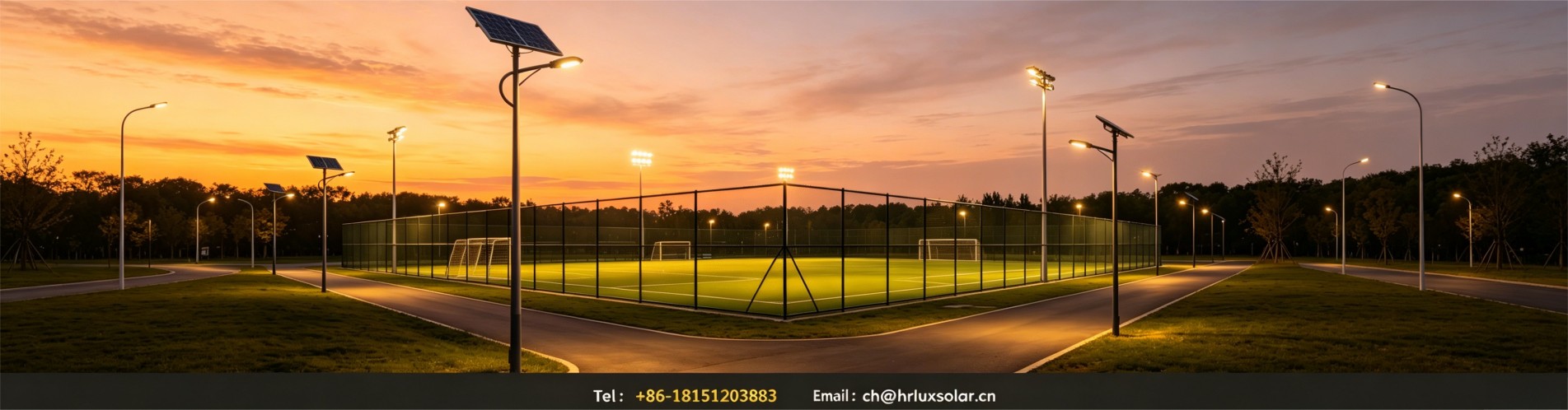
Системы с высокими мачтами помогают решить эту проблему, позволяя лучам света перекрываться с большей высоты. Вместо множества низких светильников, создающих отдельные световые пятна, меньшее количество светильников на высоких мачтах может смешивать свои лучи на более широкой поверхности. Это одна из причин, почему светодиодные светильники с высокими мачтами широко используются в больших открытых пространствах, где важна постоянная видимость.
Как взаимодействуют оптика и высота установки?
Оптика и высота установки работают вместе, формируя световой поток до того, как высота распределит его по площади. Оптика определяет диаграмму направленности луча, а высота определяет размер этой диаграммы на земле. Если оптика слишком узкая для высоты установки, зона покрытия может быть ограничена. Если она слишком широкая, свет может выходить за пределы квадрата или создавать ненужные блики.
Представьте себе светильник как источник управления, а мачту — как источник дальности освещения. Оптика определяет, куда направлен свет. Высокая мачта обеспечивает лучу необходимую дальность для покрытия большей площади. Хороший дизайн достигается тогда, когда эти два фактора объединены в единую систему.
Это особенно важно при замене старых светильников на светодиодные мачтовые варианты. Светодиодные светильники обеспечивают точное направленное освещение, но их выбор не должен основываться только на эквивалентной мощности. Например, светодиодные мачтовые светильники мощностью, эквивалентной 1500 Вт, могут рассматриваться как категория замены, но фактическая производительность зависит от светового потока, оптического распределения, высоты установки и расстояния между светильниками. Фраза «эквивалентный» может быть полезна для общего сравнения, но выбор следует основывать на фотометрических характеристиках.
Почему светодиодные мачтовые светильники эффективны для больших площадей?
Светодиодные мачтовые светильники эффективны для больших площадей, поскольку сочетают в себе высокую светоотдачу, направленную оптику и энергоэффективность в компактном корпусе. В отличие от более старых технологий освещения, которые часто излучали свет во многих направлениях, прежде чем отражатели перенаправляли его, светодиодные системы могут быть спроектированы таким образом, чтобы направлять больше света на нужную поверхность. Такой оптический контроль обеспечивает лучшее покрытие, сокращение отходов и повышенную гибкость планирования.
Еще одно преимущество — стабильность. Хорошо спроектированный светодиодный светильник может обеспечить стабильную диаграмму направленности, соответствующую плану участка. При использовании на высоких мачтах эта стабильность помогает проектировщикам предсказывать, куда будет падать свет и куда следует направлять светильники.
Светодиодные мачтовые светильники также обладают практическими преимуществами при планировании технического обслуживания. Большие площади, парковки и промышленные площадки — это сложные условия для частого обслуживания. Выбор долговечных светильников с соответствующей тепловой конструкцией, оптической защитой и совместимостью с монтажом может помочь сократить количество ненужных сбоев. Цель состоит не просто в установке ярких светильников, а в создании системы, которая останется полезной и удобной в эксплуатации в течение длительного времени.
Практические факторы проектирования, которые следует учитывать перед выбором светильников.
Успешный проект по установке высотного освещения начинается с выбора места, а не с каталога. Прежде чем выбирать светильники, полезно определить, для чего именно должно работать освещение и где могут возникнуть наибольшие проблемы. Площадь, используемая для мероприятий, может нуждаться в ином освещении, чем товарная площадка, автосалон или парковка.
Перед выбором светильников для парковок на высоких мачтах или других крупногабаритных светильников воспользуйтесь этим контрольным списком:
Четко спланируйте пространство. Обозначьте входы, пешеходные маршруты, проезды, зоны отдыха, элементы ландшафта и границы, где необходимо контролировать рассеивание света.
Определите характер деятельности. Решите, нуждается ли пространство в общей видимости, обеспечении безопасности, движении транспортных средств, комфорте для пешеходов, качестве видеонаблюдения или в сочетании этих факторов.
Ознакомьтесь с вариантами крепления. Убедитесь, что вы можете установить высокие опоры, не препятствуя движению транспорта, инженерным сетям, водоотведению, вывескам или будущему строительству.
Подберите оптику в соответствии с планировкой. Выберите схемы распределения света, которые направят свет по всей полезной площади, а не за пределы участка.
Планируйте перекрытие световых лучей. Избегайте отдельных ярких зон, располагая опоры и направляя светильники таким образом, чтобы их световой поток плавно сливался.
Учитывайте блики на уровне глаз. Светильники высокой мощности могут вызывать дискомфорт, даже если они неправильно направлены или рассматриваются под распространенными углами.
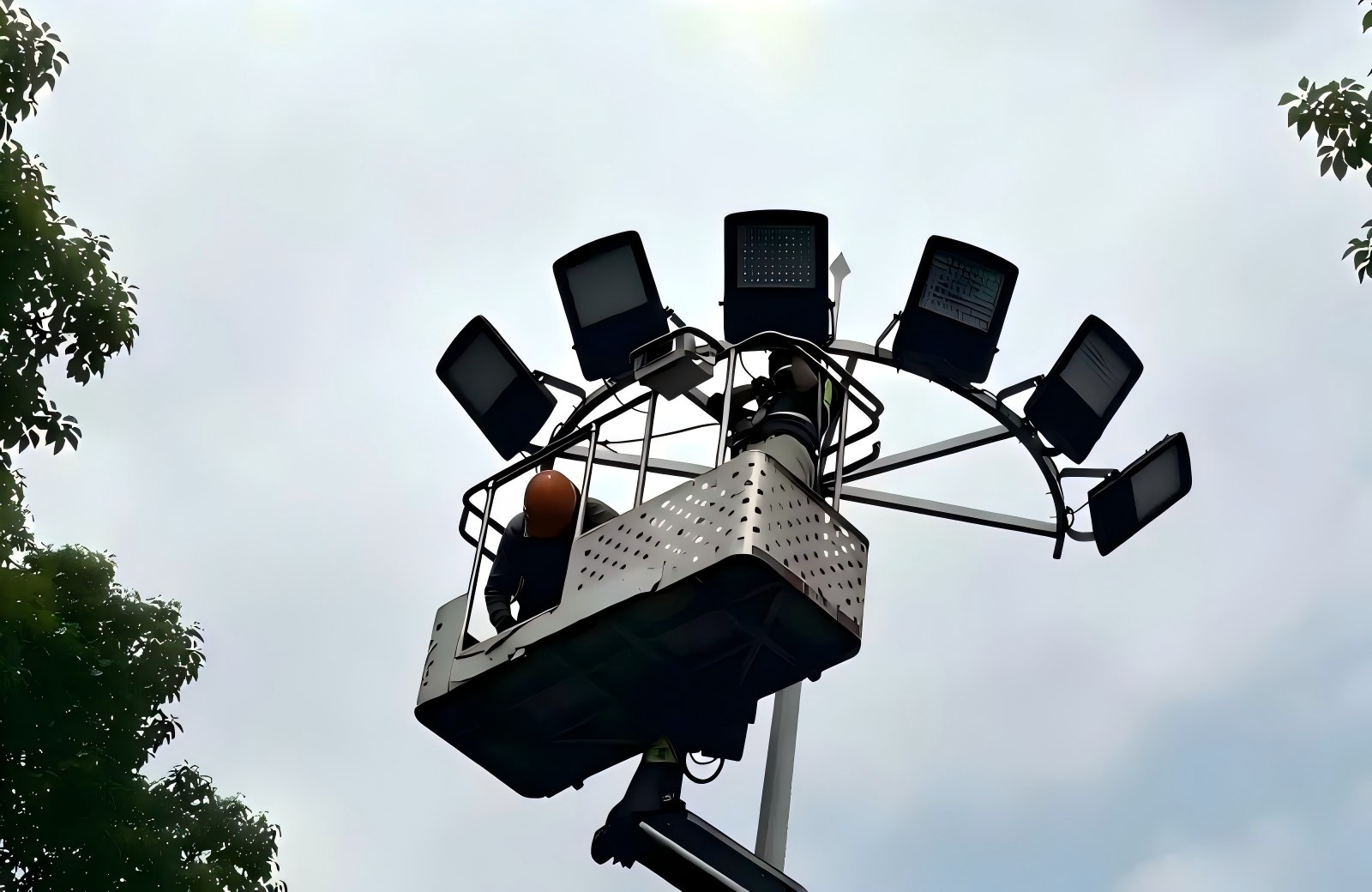
Продумайте доступ для технического обслуживания. При проектировании больших опор и светильников следует учитывать безопасность эксплуатации и возможность долговременного доступа.
Эти шаги помогут избежать распространенной ошибки, когда под освещением на высоких мачтах подразумевают простое увеличение мощности. Наилучшие результаты достигаются при согласовании типа светильника, опоры, высоты установки и кривой распределения света до начала монтажа.
Распространенные ошибки, снижающие эффективность освещения.
Одна из распространенных ошибок — предположение, что большая мощность всегда означает лучшее освещение. Большая мощность может увеличить яркость, но это не приведет к автоматическому улучшению равномерности освещения или визуального комфорта. Если свет направлен неправильно или распределен неравномерно, место все равно может казаться пятнистым.
Ещё одна проблема — использование неподходящей оптики для данного пространства. Для квадратной площади часто требуется широкое, сбалансированное освещение, в то время как для краевых участков может потребоваться направленное освещение, чтобы свет оставался внутри заданной границы. Установка одинакового распределения света повсюду может привести к перерасходу энергии и появлению бликов.
Расстояние между опорами также имеет значение. Если опоры расположены слишком далеко друг от друга, лучи могут недостаточно перекрываться. Если же они расположены слишком близко или слишком мощно, в некоторых местах может возникнуть переосвещение. Правильное расстояние зависит от высоты установки, мощности светильника и кривой распределения света, поэтому его следует планировать как часть всей системы.
Хорошо освещенная площадь начинается со скоординированной системы.
Высокомачтовые светильники так эффективно освещают большие площади, потому что их эффективность зависит не от одного фактора. Высота обеспечивает дальность освещения, оптика — контроль, а тщательно продуманная компоновка — равномерность. При согласованной работе этих элементов светодиодные высокомачтовые светильники могут освещать большие площади с меньшим количеством теней и более комфортной видимостью.
Если вы оцениваете мачтовые опоры, мачтовые светильники для парковок или светодиодные мачтовые светильники мощностью, эквивалентной 1500 Вт, смотрите дальше заявленной мощности. Спросите, как светильник распределяет свет, как он работает на предполагаемой высоте установки и как несколько опор будут работать вместе на всей территории. Такой практический подход позволяет получить освещение, которое будет ярче там, где это необходимо, тише там, где это важно, и эффективнее на всей площади.
Сопутствующие товары
Связанные дела
Часто задаваемые вопросы
В1. Почему осветительные мачты на большой высоте могут осветить целую площадь?
Они сочетают в себе большую высоту установки, правильное оптическое распределение и тщательное размещение опоры. Высота позволяет лучу рассеиваться на большой площади, а оптика направляет свет туда, где он необходим, создавая широкое покрытие, а не яркое пятно только под опорой.
Вопрос 2. Как высота установки влияет на эффективность освещения?
Более высокая установка увеличивает площадь покрытия, но снижает интенсивность освещения на уровне земли. Правильная высота обеспечивает баланс между дальностью действия, мощностью светильника и оптическим управлением для достижения равномерного освещения без чрезмерных бликов или темных промежутков.
В3. Какова роль кривых распределения света в освещении высоких мачт?
Кривые распределения показывают, куда светильник направляет свет — насколько широко распространяется луч, его интенсивность под разными углами, а также является ли он симметричным или направленным. Согласование кривой с планировкой участка предотвращает образование неравномерных световых пятен, рассеивание света и потери энергии.
Вопрос 4. Каких распространенных ошибок следует избегать при выборе светодиодных мачтовых светильников?
Не полагайтесь только на мощность и не предполагайте, что более высокая мощность означает лучшее освещение. Использование неподходящей оптики для данного помещения или неправильное расстояние между опорами может привести к неравномерному освещению и бликам. Всегда координируйте оптику светильника, высоту установки и расстояние между опорами как единую систему.
Ваш надежный партнер в области наружного освещения
HRLUXSOLAR фокусируется на уличное освещение среднего и высокого класса Благодаря строгим стандартам качества и ответственной команде, мы ставим качество во главу угла, а профессионализм — в основу, чтобы предоставлять надежные и долговечные осветительные приборы для наружного освещения. Мы специализируемся на профессиональных услугах для муниципальных и коммерческих инженерных проектов, предоставляя индивидуальные решения по освещению для бесперебойной реализации проектов. Мы поддерживаем гибкую индивидуализацию, эффективную доставку и полную техническую поддержку для удовлетворения разнообразных проектных требований. Стремясь стать вашим надежным партнером в области наружного освещения, HRLUXSOLAR постоянно совершенствуется, чтобы создавать лучшие условия освещения для ваших проектов.